10 Inspirational Images Of Cooker Extractor Fans
페이지 정보
작성자 Eliza 작성일26-03-27 15:22 조회5회 댓글0건관련링크
본문
Understanding Cooker Extractor Fans: A Comprehensive Guide
Cooking is an art that combines flavor with method, and it frequently includes a bit of mess. Among the vital parts in preserving a clean and healthy kitchen environment is the cooker extractor fan. These gadgets are part of the kitchen's ventilation system, designed to blend away smoke, steam, smells, and airborne particles that can accumulate throughout cooking. This blog post intends to offer an in-depth understanding of cooker extractor fans, their types, advantages, installation, maintenance tips, and answers to regularly asked concerns.
What is a Cooker Extractor Fan?
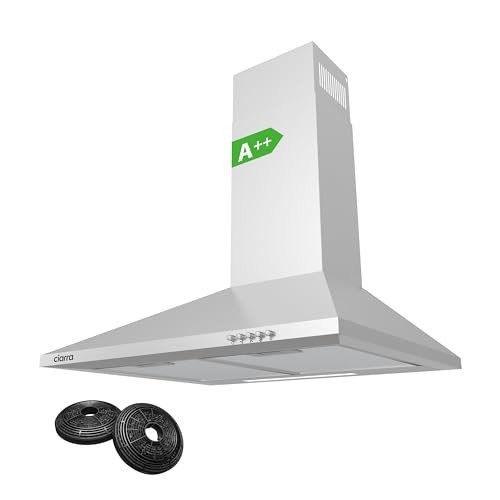
A cooker extractor fan, also called a range hood or Kitchen Hood (visit the up coming website), is a gadget installed above the cooking location. It operates to filter and expel undesirable odors, steam, and air-borne grease, consequently preserving good air quality in the kitchen. These fans can be found in numerous sizes, styles, and performances, catering to various kitchen designs and cooking styles.
Table 1: Types of Cooker Extractor Fans
| Type | Description | Benefits | Drawbacks |
|---|---|---|---|
| Wall-Mounted | Installed on the wall above the cooking range | Space-efficient, visual appeal | Needs wall area and ducting |
| Island | Hangs above kitchen islands | Trendy, ideal for open layouts | More costly, requires ceiling support |
| Under-Cabinet | Fits below kitchen cabinets | Compact, does not use up additional area | Restricted power, may need ducting |
| Downdraft | Pop-up fan integrated into the cooktop | Minimalistic design, saves space | Less reliable than ducted options |
| Ceiling-Mounted | Installed in the ceiling, typically in larger kitchens | Covers big areas, modern style | Expert setup needed |
The Importance of Cooker Extractor Fans
Improved Air Quality: Cooking frequently launches hazardous pollutants and grease particles. An extractor fan assists get rid of these contaminants, making sure much healthier air in the kitchen.
Odor Control: Different cuisines produce unique smells. An excellent cooker extractor fan effectively minimizes remaining smells, making the kitchen a pleasant space.
Moisture Reduction: Steam generated during cooking can cause moisture buildup, which may promote mold development. An extractor fan assists manage humidity levels in the kitchen.
Cleaner Environment: By catching grease and vapors, extractor fans add to a cleaner kitchen environment, minimizing the requirement for frequent cleansing.
Picking the Right Extractor Fan
Selecting an extractor fan involves thinking about different aspects, consisting of kitchen size, style, and cooking routines. Here are the bottom lines to keep in mind:
Table 2: Factors to Consider When Choosing an Extractor Fan
| Element | Factor to consider |
|---|---|
| Kitchen Size | Bigger kitchens might need more powerful fans |
| Ducted vs. Ductless | Ducted fans vent outdoors; ductless recirculate air with filters |
| Noise Level | Look for fan noise scores; quieter designs are more suitable |
| CFM Rating | Think about the fan's airflow effectiveness, usually determined in Cubic Feet per Minute (CFM) |
| Style | Select a style that complements your kitchen decoration |
Installation and Maintenance
Proper installation and routine upkeep are crucial for optimal efficiency.
Setup Tips
- Follow Manufacturer's Instructions: Always consult the installation manual for specific standards.
- Work with a Professional: For ducted alternatives, professional setup may be required to ensure correct venting.
- Placement: The fan ought to be installed at the proper height above the cooking range, generally 20-- 30 inches for electrical and 24-- 30 inches for gas ranges.
Maintenance Tips
- Tidy Filters Regularly: Most extractor fans come with detachable filters that must be cleaned or changed frequently to make sure performance.
- Check Fan Blade: Ensure the fan blades are tidy to prevent motor stress.
- Inspect Ducts: For ducted models, routine inspection and cleansing of ducts can avoid blockages and enhance airflow.
Regularly Asked Questions (FAQ)
How typically should I clean my cooker extractor fan?
- It is advised to clean up the fan's filters on a monthly basis and to deep tidy the entire unit every 6 months.
Do I need to use a ducted extractor fan?
- Ducted fans are more efficient as they vent air exterior. However, if installation is a concern, ductless choices with activated charcoal filters are appropriate alternatives.
What is the perfect CFM for my kitchen?
- A general rule is that the CFM must be 100 for every 10,000 BTUs of the stove. For typical cooking, a fan with a CFM score of 300-600 is usually adequate.
Are extractor fans loud?
- Noise levels differ. When picking a fan, try to find designs with lower sones (a step of loudness), ideally below 3 for a quieter operation.
Can I set up an extractor fan myself?
- While some models, like under-cabinet fans, may be easier for DIY setup, ducted models typically need expert assistance.
Cooker extractor fans play a vital function in enhancing both the performance and comfort of a kitchen. With numerous types offered, comprehending their functions, benefits, and maintenance requirements can assist house owners make notified options. Whether cooking a basic meal or crafting a gourmet work of art, a well-ventilated kitchen makes all the difference. Buying a suitable extractor fan not just enhances air quality but likewise contributes to a cleaner, more enjoyable cooking environment.
댓글목록
등록된 댓글이 없습니다.