5 Killer Quora Answers On Bagless Self Emptying Robot Vacuum
페이지 정보
작성자 Jestine 작성일24-05-02 02:05 조회24회 댓글0건관련링크
본문
Bagless Self Emptying Robot Vacuum
These robovacs are excellent at removing dust however they can also be snarled in by lamps, toys and other obstacles. Plus, their small dust bins need to be cleaned manually after every few cleaning cycles.
Self-emptying robot vacs will automatically transfer their collected debris to an interior storage system--usually an extra large base that can store up to 60 days of trash. This feature is a great upgrade for those with an expansive home or bagless self-emptying robot vacuum are frequently prone to messiness.
Battery life
The life of a robot vacuum's battery is usually measured in terms of how many days or cleaning sessions it can handle on one charge. This is a fairly accurate way to determine its capability to clean your home. Self-emptying models are also able to clean dirt from the dustbins they utilize and place it into a base storage bin. This feature is designed to save you from having to empty and refill the dustbin every time you sweep and allows you to operate your robot more frequently.
When the robot's trash bin fills up, it goes back to the charging dock, where the debris is sucked up with a loud "whoosh", and then dropped into an 8-inch-high base canister, which is filled with the disposable paper bag. The canister can hold any kind of garbage bag, but some owners prefer a bag-less system for its ease of use and environmental friendliness.
During the mapping procedure, sensors within the interior and GPS of a self-emptying robotic vacuum are used to locate your home. They also record its floor plan to create an internal map. The vacuum cleaner uses the map to navigate your home, clean rooms and floors as it moves. These robots are ideal to clean up mess that other robot vacuums could have missed, like dirt, dust and hair that has accumulated under furniture or on a pet's bed.
Self-emptying robot vacuums also deal with wet spills, a useful feature for households with pets and kids. They're also a good choice for larger homes because they can cover a larger area with each sweep.
To get the most value from your robot, opt for a model with a large and easy-to-remove bin, as in addition to a quick recharge time. Also, consider the size of your space to determine the amount of capacity you'll need. If you live in a large home, you might need to select one with dual batteries that can last for up to two hours. Also, ensure that you regularly clean the rotating brushes of a robot vacuum (especially if you have hair-clinging animals) and clean the charging contacts and sensors every now and again. This will extend the life of the vacuum's battery and ensure it's working at its best.
App control
While a robot vacuum may help keep your home spic and span, it is not a substitute for a thorough cleaning. Before you let your robot vacuum loose ensure that the filters are clean and all cords are out of the way. To ensure that your robovac functions properly, you should clean the bin on a regular basis and clean the charging sensors and contact.
Using navigation tools such as cameras, sensors and lasers, a robotic vacuum moves around your home, sucking up pet hair, crumbs and dirt into its dustbin from hard floors like tile, hardwood and laminate. Advanced models can create precise maps, allowing you label different rooms, or set up virtual no-go zones. Some can even detect stairways and even more affordable ones can be purchased with boundary strips that can stop stairs from entering or other areas that you don't want your robot to get into.
A lot of the top robot vacuums are equipped with intelligent features that let them connect to your tablet or smartphone for remote control as well as maintenance and scheduling guidelines. Some are able to connect to Amazon's Alexa and other digital voice assistants for a fully hands-free experience. Others have long battery lives, quiet modes and attachments for dealing with difficult areas.
Self-emptying robot vacuums are especially beneficial in larger homes, where it may be difficult to empty the trash bin every day. When the bin is full, it will simply stop collecting debris and instead carry all debris that has accumulated on the floor around the base and onto its docking station. Some models have a large, bagless base that can hold more than a month's worth debris and can be easily emptied without touching the debris itself.
Some robots can also sweep and mop floors which makes them suitable for homes that have hard and soft surfaces. Roborock S7 MaxV Ultra, with its powerful engine and multisurface cleaning system, is a great example. It can effectively vacuum and mop. It also has an onboard camera which allows you to view the space in real-time, and a mopping pad that can be empty within a blink of an eye.
Range
A self-emptying robot that is bagless vacuum can bring a lot of value to your home, especially when you live in a bigger house. It can help you clean your home according to a schedule without having to worry about emptying the trash bin every time. It can also help prevent the release of fine particles into the air, which is especially important for those suffering from allergies.
The most effective robot vacuums that are self-emptying vacuum and bagless are powerful enough to handle the majority of cleaning tasks in homes. They use a combination of cameras and sensors to detect obstacles and avoid them when cleaning. They also can identify and mark different areas and establish virtual "no go" zones. This will help you keep your robot out of your pet's favorite place or your kids' toys.
Some of the most advanced models feature self-emptying docks that allow you to keep and empty debris from the trash bin. This is a wonderful feature for parents who have to manage household chores while working children and a full-time job. A dock that has a large storage capacity can allow you to run your self-empty robot vacuum more often and maintain a cleaner home.
Self-emptying robot vacuums are typically assessed based on how many days-worth of debris they can store in their storage, with the majority of models able to hold 30 to 60 days worth of dirt. They are also rated by how much noise they make when they move the dust from their bin to the dock which is a crucial aspect for those living in apartments and condos.
A smaller dustbin will generally fill up quicker than larger ones, which means you'll need to empty it more frequently. It is also important to take into consideration the size of your house to determine the size of a dustbin you need. It is recommended that you choose a larger model that has the capacity to hold more as much as you can to utilize it for a longer time.
A bagless self-emptying robot vacuum is a fantastic option for families with pets and children, as it can save you the hassle of emptying it every day. However, it is not a good option for areas that are prone to clutter such as kitchens or dining rooms. It is difficult for a robotic cleaner to clean spaces that are cluttered with food items, trash and other things.
Noise
This robot has a great navigation system that lets it skirt around obstacles that frequently cause problems for other vacuums, including tangled cords and other clutter. It is also a strong edge cleaner with enough suction to lift debris, dust hair, pet hair, and dirt from tiles, hardwood floors or area rugs as well as carpets. However, it is fairly noisy during operation. It is returned to its charging station when its dust bin is fully filled and connects. The debris is sucked up in a loud whoosh. It then resumes its preprogrammed cleaning process.
This feature can be distracting, even though it keeps the user from having to empty each robot's small bin after cleaning. The noise is louder than a regular robot vacuum and may be alarming to pets or other people. You might want to think about purchasing a model that has a Quiet Mode or scheduling your robotic vacuuming time to when you're away from the house and can keep from being disturbed by the noise.
Another downside of self-emptying bagless robot vacuums is that they require regular maintenance to function effectively. This includes removing any pet hair caught in the brushes, and emptying their trash bins (or rinsing them if the manufacturer permits it). It is also recommended to wipe down the sensors and cameras to remove any dirt that could interfere with the robot's ability to see your home.
Certain models of bagless self-emptying robot vacuums include a variety tools for maintenance and cleaning to make the job easier. You should also go through the manual for your robot vacuum to find out about recommended maintenance methods. They may differ from model to model.
While this category of robot vacuums excels in routine midweek cleaning, they're still not a replacement for a plug-in vacuum. The less expensive models may be snagged in rugs or have difficulty in tight spaces. However the higher-end models are capable of mapping homes and delivering an efficient cleaning. They can also be controlled with smartphones and voice assistants like Alexa and Google Assistant.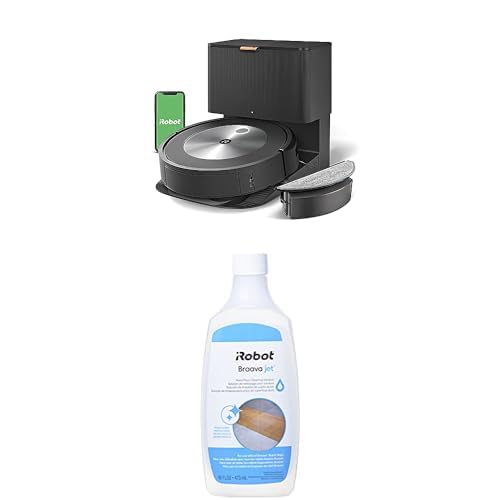
These robovacs are excellent at removing dust however they can also be snarled in by lamps, toys and other obstacles. Plus, their small dust bins need to be cleaned manually after every few cleaning cycles.
Self-emptying robot vacs will automatically transfer their collected debris to an interior storage system--usually an extra large base that can store up to 60 days of trash. This feature is a great upgrade for those with an expansive home or bagless self-emptying robot vacuum are frequently prone to messiness.
Battery life
The life of a robot vacuum's battery is usually measured in terms of how many days or cleaning sessions it can handle on one charge. This is a fairly accurate way to determine its capability to clean your home. Self-emptying models are also able to clean dirt from the dustbins they utilize and place it into a base storage bin. This feature is designed to save you from having to empty and refill the dustbin every time you sweep and allows you to operate your robot more frequently.
When the robot's trash bin fills up, it goes back to the charging dock, where the debris is sucked up with a loud "whoosh", and then dropped into an 8-inch-high base canister, which is filled with the disposable paper bag. The canister can hold any kind of garbage bag, but some owners prefer a bag-less system for its ease of use and environmental friendliness.
During the mapping procedure, sensors within the interior and GPS of a self-emptying robotic vacuum are used to locate your home. They also record its floor plan to create an internal map. The vacuum cleaner uses the map to navigate your home, clean rooms and floors as it moves. These robots are ideal to clean up mess that other robot vacuums could have missed, like dirt, dust and hair that has accumulated under furniture or on a pet's bed.
Self-emptying robot vacuums also deal with wet spills, a useful feature for households with pets and kids. They're also a good choice for larger homes because they can cover a larger area with each sweep.
To get the most value from your robot, opt for a model with a large and easy-to-remove bin, as in addition to a quick recharge time. Also, consider the size of your space to determine the amount of capacity you'll need. If you live in a large home, you might need to select one with dual batteries that can last for up to two hours. Also, ensure that you regularly clean the rotating brushes of a robot vacuum (especially if you have hair-clinging animals) and clean the charging contacts and sensors every now and again. This will extend the life of the vacuum's battery and ensure it's working at its best.
App control
While a robot vacuum may help keep your home spic and span, it is not a substitute for a thorough cleaning. Before you let your robot vacuum loose ensure that the filters are clean and all cords are out of the way. To ensure that your robovac functions properly, you should clean the bin on a regular basis and clean the charging sensors and contact.
Using navigation tools such as cameras, sensors and lasers, a robotic vacuum moves around your home, sucking up pet hair, crumbs and dirt into its dustbin from hard floors like tile, hardwood and laminate. Advanced models can create precise maps, allowing you label different rooms, or set up virtual no-go zones. Some can even detect stairways and even more affordable ones can be purchased with boundary strips that can stop stairs from entering or other areas that you don't want your robot to get into.
A lot of the top robot vacuums are equipped with intelligent features that let them connect to your tablet or smartphone for remote control as well as maintenance and scheduling guidelines. Some are able to connect to Amazon's Alexa and other digital voice assistants for a fully hands-free experience. Others have long battery lives, quiet modes and attachments for dealing with difficult areas.
Self-emptying robot vacuums are especially beneficial in larger homes, where it may be difficult to empty the trash bin every day. When the bin is full, it will simply stop collecting debris and instead carry all debris that has accumulated on the floor around the base and onto its docking station. Some models have a large, bagless base that can hold more than a month's worth debris and can be easily emptied without touching the debris itself.
Some robots can also sweep and mop floors which makes them suitable for homes that have hard and soft surfaces. Roborock S7 MaxV Ultra, with its powerful engine and multisurface cleaning system, is a great example. It can effectively vacuum and mop. It also has an onboard camera which allows you to view the space in real-time, and a mopping pad that can be empty within a blink of an eye.
Range
A self-emptying robot that is bagless vacuum can bring a lot of value to your home, especially when you live in a bigger house. It can help you clean your home according to a schedule without having to worry about emptying the trash bin every time. It can also help prevent the release of fine particles into the air, which is especially important for those suffering from allergies.
The most effective robot vacuums that are self-emptying vacuum and bagless are powerful enough to handle the majority of cleaning tasks in homes. They use a combination of cameras and sensors to detect obstacles and avoid them when cleaning. They also can identify and mark different areas and establish virtual "no go" zones. This will help you keep your robot out of your pet's favorite place or your kids' toys.
Some of the most advanced models feature self-emptying docks that allow you to keep and empty debris from the trash bin. This is a wonderful feature for parents who have to manage household chores while working children and a full-time job. A dock that has a large storage capacity can allow you to run your self-empty robot vacuum more often and maintain a cleaner home.
Self-emptying robot vacuums are typically assessed based on how many days-worth of debris they can store in their storage, with the majority of models able to hold 30 to 60 days worth of dirt. They are also rated by how much noise they make when they move the dust from their bin to the dock which is a crucial aspect for those living in apartments and condos.
A smaller dustbin will generally fill up quicker than larger ones, which means you'll need to empty it more frequently. It is also important to take into consideration the size of your house to determine the size of a dustbin you need. It is recommended that you choose a larger model that has the capacity to hold more as much as you can to utilize it for a longer time.
A bagless self-emptying robot vacuum is a fantastic option for families with pets and children, as it can save you the hassle of emptying it every day. However, it is not a good option for areas that are prone to clutter such as kitchens or dining rooms. It is difficult for a robotic cleaner to clean spaces that are cluttered with food items, trash and other things.
Noise
This robot has a great navigation system that lets it skirt around obstacles that frequently cause problems for other vacuums, including tangled cords and other clutter. It is also a strong edge cleaner with enough suction to lift debris, dust hair, pet hair, and dirt from tiles, hardwood floors or area rugs as well as carpets. However, it is fairly noisy during operation. It is returned to its charging station when its dust bin is fully filled and connects. The debris is sucked up in a loud whoosh. It then resumes its preprogrammed cleaning process.
This feature can be distracting, even though it keeps the user from having to empty each robot's small bin after cleaning. The noise is louder than a regular robot vacuum and may be alarming to pets or other people. You might want to think about purchasing a model that has a Quiet Mode or scheduling your robotic vacuuming time to when you're away from the house and can keep from being disturbed by the noise.
Another downside of self-emptying bagless robot vacuums is that they require regular maintenance to function effectively. This includes removing any pet hair caught in the brushes, and emptying their trash bins (or rinsing them if the manufacturer permits it). It is also recommended to wipe down the sensors and cameras to remove any dirt that could interfere with the robot's ability to see your home.
Certain models of bagless self-emptying robot vacuums include a variety tools for maintenance and cleaning to make the job easier. You should also go through the manual for your robot vacuum to find out about recommended maintenance methods. They may differ from model to model.
While this category of robot vacuums excels in routine midweek cleaning, they're still not a replacement for a plug-in vacuum. The less expensive models may be snagged in rugs or have difficulty in tight spaces. However the higher-end models are capable of mapping homes and delivering an efficient cleaning. They can also be controlled with smartphones and voice assistants like Alexa and Google Assistant.
댓글목록
등록된 댓글이 없습니다.