What's The Ugly Real Truth Of Shipping Container Design
페이지 정보
작성자 Melodee 작성일26-03-27 16:36 조회12회 댓글0건관련링크
본문
Innovative Shipping Container Design: A New Era in Sustainable Architecture
In recent years, Shipping Container Architecture (linked here) containers have actually transcended their standard function in worldwide trade to end up being a cornerstone of innovative design in different sectors, including residential, industrial, and commercial architecture. This article explores the diverse world of shipping container design, exploring its benefits, applications, and advancement.
The Rise of Shipping Container Architecture
Shipping containers are not merely metal boxes used for transferring items; they are flexible structures that can be repurposed into stunning living and working spaces. The trend of transforming shipping containers into homes and industrial buildings started as a reaction to the need for inexpensive housing, but it has actually grown into a motion that emphasizes sustainability, creativity, and effectiveness.
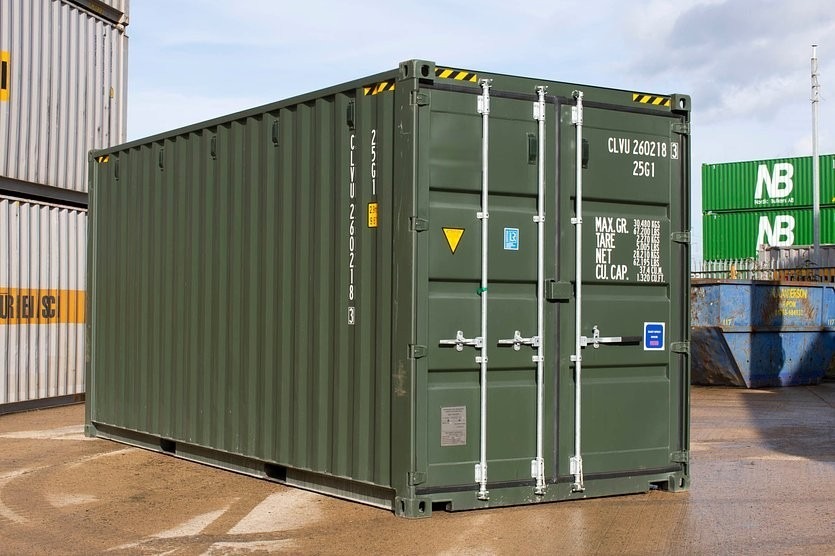
Table 1: Benefits of Shipping Container Design
| Benefit | Description |
|---|---|
| Sustainability | Reuse of products decreases waste and ecological footprint. |
| Price | Lower construction expenses compared to standard structure methods. |
| Modularity | Easy to stack and integrate for different setups. |
| Durability | Strong Steel Shipping Containers structure endures harsh weather condition and seismic activity. |
| Speed of Construction | Quick assembly and completion due to upraised units. |
Diverse Applications of Shipping Container Design
The flexibility of Shipping Container Modifications containers provides itself to various applications, consisting of but not restricted to:
Residential Homes: Architects and property owners have welcomed container living as an alternative housing alternative.
Pop-Up Stores and Cafés: Many organizations utilize containers for temporary locations, making the most of foot traffic and decreasing overhead expenses.
Office Spaces: Companies have adopted container workplaces for their cost and versatility, enabling for rapid scalability.
Emergency situation Shelters: Containers can be transformed into quick-deploy shelters throughout natural catastrophes or crises.
Art Installations: Artists and designers produce spectacular setups using containers, combining art with functional space.
Table 2: Creative Uses of Shipping Containers
| Application | Description |
|---|---|
| Homes | Personalized home that are environmentally friendly and economical. |
| Retail | Flexible shop styles that can be moved easily. |
| Workplaces | Modern work spaces that use a distinct aesthetic and performance. |
| Neighborhood Centers | Areas created for celebrations and occasions. |
| Studios | Art and music studios that offer unconventional settings. |
Secret Design Considerations
When designing with Shipping Container Marketplace containers, several critical elements must be thought about to ensure effective outcomes:
1. Structural Integrity
While shipping containers are tough, appropriate design is necessary to preserve their structural stability, particularly when making modifications. Engaging with structural engineers can assist make sure that any alterations do not jeopardize the container's strength.
2. Insulation and Ventilation
Steel containers can warm up quickly, making insulation essential. Designers often use numerous insulating materials and ventilation systems to produce comfortable living or working environments.
3. Zoning and Building Codes
Local zoning laws and building codes frequently dictate what can be constructed from shipping containers. Assessment with local authorities is vital to prevent prospective legal issues.
4. Foundation
Containers need solid structures to alleviate concerns like settling and make sure appropriate drain. Depending on the planned use, this might vary from concrete pieces to wood piers.
5. Utilities Installation
Installing pipes, electrical systems, and HVAC can be complicated in a shipping container. It needs cautious planning to make sure functionality while keeping design stability.
Design Trends in Shipping Container Architecture
As the appeal of shipping containers has actually grown, so have the design trends connected with them. Here are a few of the essential trends shaping the future of container architecture:
1. Green Building Practices
Sustainable design concepts are significantly being integrated into shipping container projects, with a focus on utilizing eco-friendly resources, energy-efficient systems, and sustainable products.
2. Smart Technology Integration
Modern shipping container styles typically integrate IoT gadgets and clever home technology for improved functionality, energy performance, and security.
3. Hybrid Structures
Designers are increasingly combining shipping containers with conventional structure products to produce hybrid structures that offer special aesthetics and performance.
4. Adjustable Interiors
Modern shipping container homes are created with customizable interiors, enabling residents to individualize their spaces for optimum convenience and energy.
FAQ: Shipping Container Design
Q1: How much do shipping container homes cost?
A: The cost can vary considerably depending on place, design, and customizations, with prices usually ranging from ₤ 10,000 to ₤ 200,000 or more.
Q2: Are shipping container homes safe?
A: Yes, when developed and constructed properly, Shipping Container Housing container homes can be extremely safe and compliant with regional building regulations.
Q3: Can you stack shipping containers?
A: Yes, containers are developed to be stacked, which permits imaginative multi-level styles.
Q4: What are the preparation permission requirements?
A: Requirements differ by place. It's necessary to consult local authorities for zoning laws and building policies.
Q5: How long do shipping container homes last?
A: With proper upkeep, shipping container homes can last for years, typically lasting longer than traditional structures.
The world of Shipping Container Delivery container design represents an amazing intersection of sustainability, price, and imagination. As more architects and designers explore the unlimited possibilities of repurposed containers, they pave the way for innovative solutions to modern housing and industrial requirements. From homes and offices to pop-up shops, shipping containers offer a distinct canvas for those ready to reimagine architectural conventions. As this trend continues to develop, it assures to redefine how we consider space and design in the future.
댓글목록
등록된 댓글이 없습니다.